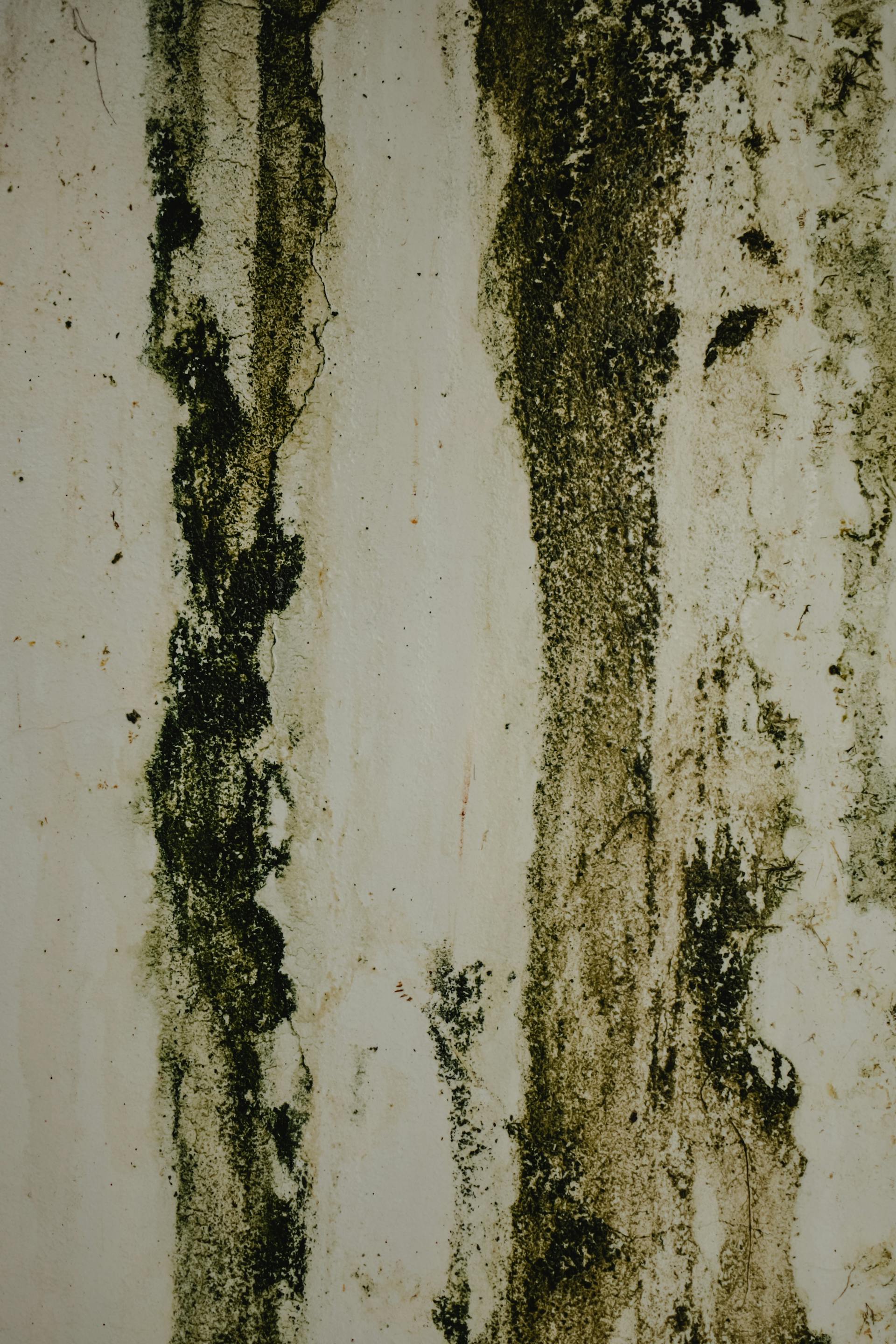
Mould Remediation
Mould doesn’t wait. Neither should you.
Professional mould assessment and remediation backed by building science.
The Problem
Mould is more than unsightly — it causes respiratory issues, allergic reactions, and structural damage. It grows where moisture hides: behind walls, under flooring, in HVAC systems.
Surface cleaning is not remediation. Without identifying and eliminating the moisture source, mould returns. Many homeowners spend money on surface treatments only to find the problem coming back within weeks or months.
Proper mould remediation requires understanding building science — how moisture moves through structures, where condensation forms, and what conditions allow mould to thrive. Treating the symptom without fixing the cause is a waste of time and money.
Our Process
Assessment & Testing
Visual inspection, air quality testing, and moisture mapping identify the full extent of mould growth and the underlying moisture conditions driving it.
Containment
Negative air pressure and sealed barriers prevent mould spores from spreading to unaffected areas during remediation. This is critical for protecting the rest of your property.
Remediation
HEPA filtration removes airborne spores while affected materials are treated with antimicrobial agents or removed entirely. Every surface is addressed to IICRC standards.
Source Correction
We fix the moisture problem — whether it is a leak, inadequate ventilation, poor drainage, or condensation issue. Without this step, mould will return.
Clearance Testing
Third-party verification confirms that mould levels have returned to safe, normal levels. This independent testing gives you documented proof that remediation was successful.
What To Do Right Now
Why HydraClean
- Building science approach identifies the root cause of moisture, not just the visible mould
- Full containment protocols prevent cross-contamination to unaffected areas during remediation
- Third-party clearance testing provides independent verification that your property is safe
Suspect mould? Get a free assessment.
1-877-91-FLOOD (913-5663)Okanagan: 250-862-8815 | Vernon: 250-542-6211 | Kootenays: 250-442-7977