Homeowner Guide
That Musty Smell Isn't Normal — What Your Nose Is Actually Telling You
What your nose is actually telling you about your home — and when to pay attention.
Read time: 6 min March 13, 2026
Your nose is one of the best diagnostic tools in your house. Seriously. After more than three decades of walking into damaged homes, we can tell you that the smell almost always shows up before the visible damage does. By the time you see mould on a wall, the problem has been building for weeks. But the smell? That was there on day three.
The problem is that most people smell something off in their home and either get used to it, explain it away, or just light a candle. That is a mistake. Different smells mean different problems, and some of them are genuinely dangerous. Here is what your nose is trying to tell you.
Musty or earthy smell
What it means: Active mould growth
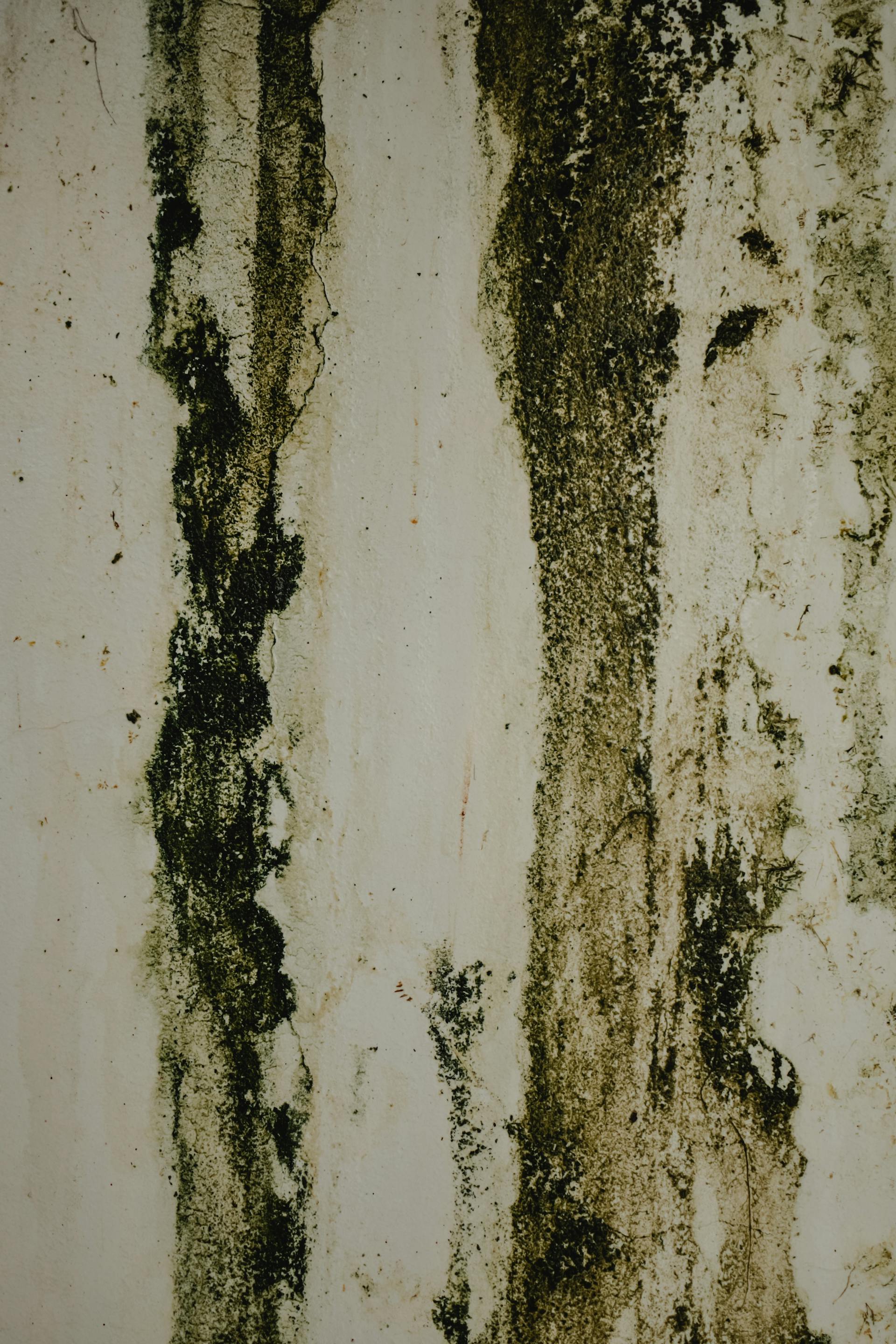
That damp, basement-y, old-library smell is not just "the way old houses smell." It is mould, and it is actively growing somewhere in your home right now.
Here is the science in plain English. Mould is a living organism that eats organic material — drywall paper, wood, dust, even the backing on carpet. As it feeds and grows, it releases gases called microbial volatile organic compounds, or MVOCs. Those MVOCs are what you are smelling. Think of it like this: when you smell fresh bread, you are smelling the byproduct of yeast doing its thing. When you smell that musty funk, you are smelling the byproduct of mould doing its thing — digesting your house.
The tricky part is that you might not see any mould at all. It could be behind a wall, under flooring, or in a ceiling cavity. If you can smell it, it is there. Your nose does not lie about this one.
Sweet chemical smell
What it means: Off-gassing from materials
A sweet, vaguely chemical smell — sometimes described as plasticky or like new carpet — is off-gassing. Building materials, adhesives, pressed wood furniture, new flooring, and some insulation products release volatile organic compounds (VOCs) as they cure or age. Formaldehyde is the most common one, but there are dozens of others.
New construction and recent renovations will always have some of this. That is normal and it usually fades within a few weeks with good ventilation. The concern is when the smell persists or shows up in an older home that has not been renovated. That can mean water damage is breaking down adhesives, or aging materials are degrading and releasing chemicals they have held for years.
If it is giving you headaches, irritating your eyes, or making you feel off — that is your body telling you the concentration is too high. Open windows, run fans, and if it does not clear up, get it tested. Long-term VOC exposure is not something to push through.
Rotten eggs
What it means: Sewer gas
That sulphur smell is hydrogen sulphide, and it is coming from your plumbing. Every drain in your house has a P-trap — that curved section of pipe that holds a small amount of water. That water acts as a seal that keeps sewer gas from coming back up into your living space.
When a drain does not get used for a while — a guest bathroom, a basement floor drain, a laundry sink — the water in the trap evaporates. Once it dries out, there is nothing stopping sewer gas from flowing straight into your home. The fix is usually as simple as running water for 30 seconds to refill the trap.
But if the smell persists after you have run all your drains, the problem might be a cracked vent pipe in the attic, a failed wax seal under a toilet, or a broken sewer line. At low concentrations, hydrogen sulphide is just unpleasant. At higher concentrations, it is a legitimate health hazard. Do not just live with it.
Wet cardboard or damp smell
What it means: Chronic moisture problem
This is different from the musty mould smell, though they often show up together. That wet, soggy, cardboard-like odour means something in your home is staying damp. Not from a single leak — from an ongoing moisture issue.
Common culprits: poor ventilation in a crawlspace, condensation inside exterior walls, a slow foundation leak, or inadequate bathroom exhaust allowing moisture to accumulate. The materials in your walls and floors are absorbing water over time, and they are starting to break down.
This is the smell that people get used to fastest, because it is subtle and constant. They stop noticing it until someone visits and says their house smells damp. If that has happened to you, take it seriously. Chronic moisture is a precursor to mould, rot, and structural damage. It does not fix itself.
Burning or electrical smell
What it means: Potential fire hazard — act immediately
A hot plastic, burning rubber, or acrid electrical smell means something is overheating. This could be an overloaded circuit, deteriorating wiring insulation, a failing outlet, or a connection that is arcing behind a wall. This is not a "keep an eye on it" situation.
If you smell something burning and cannot find an obvious source, call an electrician. If the smell is strong or you see discolouration around an outlet or switch plate, kill the breaker to that circuit and call immediately. Electrical fires often smoulder inside walls for hours before breaking through. Your nose might be giving you the only warning you get.
Cat urine smell — but you don't have cats
What it means: Likely black mould (Stachybotrys)
This is one that catches people off guard. They walk into a room and it smells like a litter box, but there are no pets in the house. That smell is a signature of Stachybotrys chartarum — what most people call black mould. It produces a distinctive sharp, ammonia-like odour that the brain registers as cat urine.
Stachybotrys is the mould species that gets the most attention for good reason. It produces mycotoxins — toxic compounds that can cause serious respiratory issues, chronic fatigue, headaches, and other health problems with prolonged exposure. If your home smells like cats and you do not have any, do not start tearing open walls to look for it. Disturbing black mould without proper containment spreads spores through your entire HVAC system. Call a professional for testing first.
The pattern worth remembering
Most of these smells share one thing in common: moisture. Mould needs it. Off-gassing accelerates with it. Sewer gas enters through dried-out plumbing. Chronic dampness is, by definition, a moisture problem. Even electrical issues can be triggered by water getting where it should not be.
Your nose usually picks up these signals weeks or months before visible damage appears. That is a gift. It means you have time to address the problem before it becomes a major repair. The key is not ignoring it, not masking it with air fresheners, and not assuming it is just "how old houses smell."
If something smells wrong in your home, something is wrong in your home. Trust your nose.
No Pressure, Just Answers
Smell something you can't explain?
If your home smells off and you cannot figure out why, we can find it. We have been diagnosing homes by smell for more than three decades — we will tell you exactly what is going on and what, if anything, needs to happen next. Free assessment, no pressure.
Okanagan: 250-862-8815 | Vernon: 250-542-6211 | Kootenays: 250-442-7977
Dealing with damage right now?
1-877-91-FLOOD (913-5663)Okanagan: 250-862-8815 | Vernon: 250-542-6211 | Kootenays: 250-442-7977